



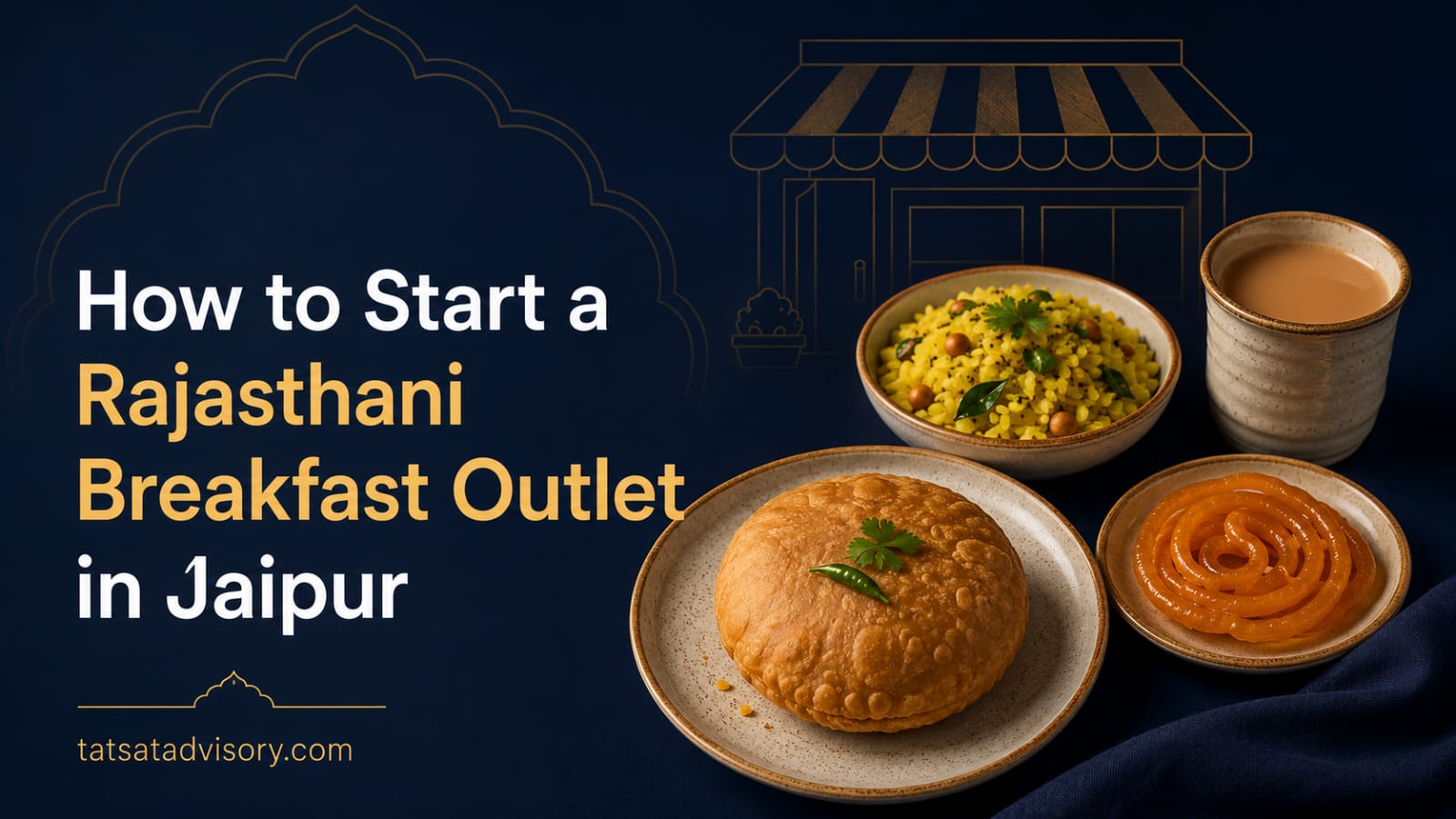


How to Start a Rajasthani Breakfast Outlet in Jaipur
Starting a Rajasthani breakfast outlet in Jaipur can be a promising business opportunity if you combine authentic taste with hygiene, consistency and fast service. Jaipur already has a strong breakfast culture built around kachori, samosa, poha, jalebi and tea. However, customers increasingly expect cleaner premises, reliable quality, convenient packaging and digital payments.
The opportunity is not simply to open another kachori shop. A new outlet needs a clear concept, carefully selected location, controlled menu and dependable preparation process. This guide explains how you can plan, start and promote a Rajasthani breakfast business in Jaipur.
Why Consider a Rajasthani Breakfast Outlet?
Breakfast products generally have broad demand across students, office employees, local families, tourists and morning travellers. A well-located outlet may complete much of its daily business within a relatively short operating window.
The concept also offers several practical advantages:
- Familiar products that require limited customer education
- Potential for frequent repeat purchases
- Opportunities for takeaway, dine-in and delivery
- Possibility of starting with a small menu
- Demand from individuals as well as offices and events
- Scope to add packaged snacks and catering later
At the same time, the market is highly competitive. Established vendors may already have loyal customers and strong local recognition. A new outlet must therefore compete through cleanliness, convenience, consistency, service or a distinctive product—not merely through low prices.
Step 1: Select the Right Breakfast Outlet Concept
Before looking for a shop, decide what kind of outlet you want to build. Your concept will influence the required space, equipment, employees, pricing and location.
Traditional Quick-Service Outlet
This model can serve kachori, samosa, poha, jalebi and tea from a compact shop. It is suitable for areas with strong morning footfall and customers who prefer quick takeaway service.
Clean and Modern Breakfast Café
A slightly premium format may combine traditional food with seating, better presentation, air cooling or air-conditioning and family-friendly service. The investment and operating expenses will be higher.
Takeaway and Delivery Kitchen
This format prioritises packaging, online orders, office deliveries and residential customers. It may not require an expensive high-street location, but delivery commissions and packaging costs must be calculated carefully.
Breakfast Cart or Kiosk
A kiosk can reduce the initial setup cost, but its suitability will depend on location rights, local permissions, storage, water availability and food preparation arrangements.
Speciality Breakfast Outlet
You can build the entire concept around one signature item, such as pyaz kachori, hing kachori, poha or freshly prepared jalebi. A focused outlet is easier to operate, but the primary product must be genuinely distinctive.
Step 2: Study Your Target Customers
Do not assume that every Jaipur neighbourhood has the same breakfast habits. Spend several mornings studying potential locations before signing a lease.
Observe:
- Number of people passing between 7:00 a.m. and 11:00 a.m.
- Nearby offices, schools, colleges, hospitals and coaching centres
- Existing breakfast vendors and their busiest hours
- Popular products and typical customer spending
- Availability of parking and safe stopping space
- Takeaway versus dine-in demand
- Residential and commercial delivery opportunities
- Cleanliness and service gaps among competitors
Visit the location on weekdays as well as weekends. A market that looks busy on Sunday may have limited demand on working days—or the reverse.
Step 3: Choose a Suitable Location in Jaipur
Location can have a major effect on the performance of a breakfast outlet. Visibility is valuable, but it should not be purchased through rent that the business cannot support.
Potential location types include:
- Office and commercial areas
- Markets surrounded by residential colonies
- College and coaching-centre clusters
- Hospital surroundings
- Industrial areas with morning shift workers
- Bus, railway and transport routes
- High-density residential areas
- Tourist zones with suitable permissions
Before paying a deposit, verify that the premises can lawfully be used for the proposed food business. Also check drainage, water supply, electricity load, exhaust installation, waste disposal, LPG safety and the landlord’s written permission for necessary modifications.
Step 4: Create a Small and Profitable Menu
Many first-time entrepreneurs make the mistake of launching with an oversized menu. More products require additional ingredients, equipment, storage and skilled employees. They can also increase wastage.
A starting menu may include:
- Pyaz kachori
- Dal kachori
- Samosa
- Poha
- Jalebi
- Mirchi vada
- Tea
- Buttermilk or lassi
You do not need to offer every item on the first day. A tighter opening menu could include two signature snacks, one lighter breakfast option, one sweet and two beverages.
Possible Value Combinations
- Kachori with tea
- Poha with tea
- Kachori and jalebi combination
- Family breakfast pack
- Office breakfast box
- Tourist tasting platter
Combination meals can increase the average order value while making ordering faster. However, prices should be based on actual costs rather than guesswork.
Step 5: Standardise Every Recipe
The success of a Rajasthani breakfast outlet depends heavily on consistency. A customer who likes your kachori today should receive the same taste, size and quality on the next visit.
Create written recipes specifying:
- Quantity of every ingredient
- Dough and filling weight per piece
- Preparation and resting time
- Oil temperature and frying time
- Chutney portion per order
- Serving size and packaging
- Safe holding period
Test recipes several times before launch. Calculate how they perform in commercial batches, because a home recipe may behave differently when prepared in large quantities.
Step 6: Calculate the Cost of Every Product
Do not calculate food cost using only flour, oil and spices. The complete cost of a menu item may include:
- Raw ingredients
- Cooking oil consumption
- Fuel or electricity
- Chutney and accompaniments
- Packaging materials
- Wastage
- Delivery-platform charges
- Employee time
- Applicable taxes
For example, if the visible ingredient cost of a breakfast box is ₹30, its real cost may be higher after adding packaging, gas, wastage and delivery expenses. Pricing without considering these components can create sales without adequate profit.
Step 7: Estimate the Initial Investment
The investment required will vary according to location, outlet size, equipment quality and whether food is prepared on-site.
A small outlet may require expenditure on:
- Shop security deposit and advance rent
- Basic interiors and signage
- Commercial stove and gas installation
- Kadhai, utensils and preparation tables
- Exhaust and ventilation system
- Refrigerator and dry storage
- Water purification and handwashing arrangement
- Display counter and billing setup
- Seating, if applicable
- Crockery or disposable packaging
- Registrations and professional charges
- Initial raw materials
- Employee salaries
- Launch marketing
- Working capital reserve
As an illustration, a very compact takeaway counter may require a few lakh rupees, while a modern outlet with substantial interiors, seating and commercial equipment may cost considerably more. Obtain actual quotations before deciding the project cost.
Keep enough working capital for the initial months. Spending the entire budget on interiors can leave the business unable to manage rent, salaries and raw-material purchases while sales are developing.
Step 8: Arrange the Essential Equipment
The final equipment list will depend on the menu, but a typical breakfast kitchen may require:
- Commercial burners
- Safe LPG installation or another approved cooking system
- Heavy frying utensils
- Preparation and storage containers
- Stainless-steel work tables
- Refrigerator
- Weighing scale
- Exhaust and ventilation
- Handwashing station
- Water purifier
- Fire extinguisher and safety equipment
- Billing machine or point-of-sale system
- Covered waste bins
- Food display and protection equipment
Choose equipment that is easy to clean and suitable for commercial use. The kitchen workflow should prevent raw materials, prepared food, dirty utensils and waste from interfering with one another.
Step 9: Complete the Required Registrations and Licences
Food businesses must comply with the registrations and approvals applicable to their activity, premises, turnover and structure.
FSSAI Registration or Licence
A food business must obtain the appropriate FSSAI registration or licence. Applications and official guidance are available through the FoSCoS portal. The correct category will depend on the nature and scale of operations.
Municipal Trade Licence
Check whether a trade licence and other municipal permissions apply to your premises and activity. Jaipur’s official municipal trade-licence portal provides access to its trade-licence system.
Business Structure
Depending on ownership and future plans, the outlet may operate as a proprietorship, partnership, LLP or company. Each structure has different implications for control, liability, taxation and compliance.
GST Registration
GST applicability depends on turnover, business activities, sales channels and other conditions. Use the official GST portal and consult a qualified tax professional instead of relying on a general assumption.
Other Possible Requirements
Depending on the premises and scale, you may also need to examine requirements relating to shops and establishments, fire safety, signage, employee records, weights and measures, waste disposal and commercial LPG usage.
Complete the necessary verification before investing heavily in the premises. Regulations can change, and the required approvals may differ between business models.
Step 10: Design the Outlet for Speed and Cleanliness
A breakfast outlet often receives many orders within a short period. Its layout should allow employees to prepare, pack, bill and hand over food without unnecessary movement.
A simple workflow may be:
- Customer places the order and pays.
- Order appears at the serving counter.
- Food is portioned and packed.
- Beverage is added separately.
- Completed order is handed over from a defined collection point.
Customers should be able to see that the outlet is clean. Use covered food displays, clean uniforms, visible handwashing practices and an organised waste-disposal system.
Step 11: Hire and Train a Small Team
A compact outlet may initially require:
- One skilled cook
- One kitchen assistant
- One counter and packing employee
- One cleaner or utility worker, depending on volume
The owner should remain closely involved during the initial period. Employees should be trained in recipe standards, portion control, hygiene, customer communication, cash handling and opening and closing procedures.
Avoid making the business completely dependent on one cook. Document recipes and train backup personnel so that operations do not stop when an employee is absent.
Step 12: Create a Distinct Brand
A memorable name, clean signboard and consistent packaging can help a new outlet become recognisable. The brand should communicate the reason customers should choose you.
Possible positioning ideas include:
- Authentic Jaipur breakfast prepared hygienically
- Fast breakfast for office employees
- Traditional flavours in a family-friendly environment
- Light and freshly prepared morning meals
- Premium breakfast boxes for offices and events
Avoid claiming to be the “best” or “most authentic” unless the business can support that statement. A specific, credible promise is more useful than exaggerated advertising.
Step 13: Plan the Launch Marketing
Marketing should begin within the immediate delivery and walking radius rather than targeting the whole city at once.
Google Business Profile
Create an accurate profile containing the address, timings, phone number, menu and original photographs. Encourage genuine customers to leave honest reviews.
Local Social Media
Post real videos showing food preparation, cleanliness, fresh batches and customer service. Avoid using photographs that do not represent the actual products.
Sampling
Provide controlled tasting samples to nearby offices, shops, hostels and residential communities. Include a menu and simple ordering information.
Opening Offer
Use a limited introductory combination instead of offering heavy discounts on the complete menu. The objective should be to generate trials without training customers to expect permanently low prices.
Office Subscriptions
Approach offices for pre-booked breakfast boxes, meetings and employee events. Advance orders can improve production planning and reduce wastage.
Step 14: Track the Right Numbers Every Day
Record business performance from the first day. At a minimum, monitor:
- Total daily sales
- Number of orders
- Average order value
- Sales by menu item
- Raw-material consumption
- Food wastage
- Packaging cost
- Delivery-platform deductions
- Cash and digital collections
- Customer complaints and repeat orders
High sales do not always mean high profit. An item may sell frequently while producing a weak margin or excessive wastage.
Sample 60-Day Launch Plan
Days 1–10: Market Research
- Study at least three potential areas
- Observe competitors during breakfast hours
- Speak with potential customers
- Select the concept and target segment
Days 11–20: Menu and Costing
- Test the initial recipes
- Standardise portion sizes
- Calculate complete product costs
- Finalise initial selling prices
Days 21–35: Premises and Compliance
- Verify the proposed premises
- Negotiate the lease carefully
- Begin applicable registrations
- Order essential equipment
Days 36–50: Setup and Training
- Complete the kitchen workflow
- Hire and train employees
- Test packaging and billing
- Create checklists for hygiene and production
Days 51–60: Trial and Launch
- Conduct a limited soft launch
- Collect customer feedback
- Correct service and recipe problems
- Begin local promotion
Common Mistakes to Avoid
- Taking an expensive shop without measuring morning footfall
- Launching with too many menu items
- Depending entirely on one cook
- Ignoring oil quality and food hygiene
- Setting prices based only on competitor prices
- Spending excessively on interiors
- Operating without checking applicable licences
- Offering heavy discounts without calculating margins
- Depending entirely on delivery platforms
- Failing to maintain daily sales and wastage records
Can You Expand the Business Later?
Once the first outlet has consistent recipes, reliable employees and stable unit economics, the business may expand through:
- Office breakfast subscriptions
- Event and meeting catering
- Packaged namkeen and snacks
- Frozen or ready-to-cook products
- Additional takeaway counters
- Company-owned branches
- Franchising after proper system development
Do not open a second location merely because the first outlet appears busy. Confirm profitability, cash flow and operational stability before expanding.
Funding a Rajasthani Breakfast Outlet
The funding structure should reflect the actual project cost and the promoter’s repayment capacity. Possible sources may include personal savings, family capital, partner contribution or a suitable business loan.
Before borrowing, prepare a project report covering setup costs, monthly expenses, estimated sales, break-even requirements and working capital. Read our guide on 100 business ideas in Jaipur for other opportunities you may compare before making a final investment decision.
For assistance with project planning and business-funding options in Jaipur, you can contact Tatsat Advisory. The objective should be to structure a manageable loan—not simply to obtain the highest available amount.
Frequently Asked Questions
How much does it cost to start a Rajasthani breakfast outlet?
The cost depends on the shop, location, kitchen equipment, interiors, menu and seating capacity. A compact takeaway format may require a few lakh rupees, whereas a larger modern outlet can require significantly more. Obtain quotations and calculate working capital before finalising the budget.
Which breakfast items should I start with?
A focused menu may begin with pyaz kachori, samosa or dal kachori, along with poha, jalebi and tea. Select only the products that your team can prepare consistently.
Is FSSAI registration required for a breakfast outlet?
Food businesses must obtain the appropriate FSSAI registration or licence according to their operations and eligibility. Verify the correct category through FoSCoS or a qualified professional.
Can I start the business from home?
A home-based preparation or delivery model may be possible, subject to FSSAI, municipal, property-use and other applicable requirements. Confirm compliance before commencing commercial operations.
Which Jaipur location is best for a breakfast outlet?
There is no universally best location. The suitable area will have relevant morning customers, visibility, practical access and affordable rent. Conduct physical footfall research before signing a lease.
Is a breakfast outlet profitable?
Profitability depends on sales volume, pricing, food cost, rent, salaries, wastage and operational discipline. Familiar products and strong footfall do not guarantee profit unless costs are controlled.
Final Thoughts
A successful Rajasthani breakfast outlet in Jaipur requires more than a good recipe. You need the right location, a focused menu, standardised preparation, strict hygiene, realistic pricing and enough working capital.
Start small enough to control quality but professionally enough to earn customer trust. Test the concept, study customer behaviour and improve the operation before investing in rapid expansion. In a competitive food market, consistency and cleanliness can become as important as taste.
Disclaimer: This article is for general informational purposes only. Investment estimates, licences, taxes and regulatory requirements can vary according to the premises, turnover, business structure and nature of operations. Verify current requirements with the relevant authorities and consult qualified legal, tax, food-safety and financial professionals before starting or financing the business.





[…] 1. Rajasthani Breakfast Outlet […]